
 By Prime Law Hub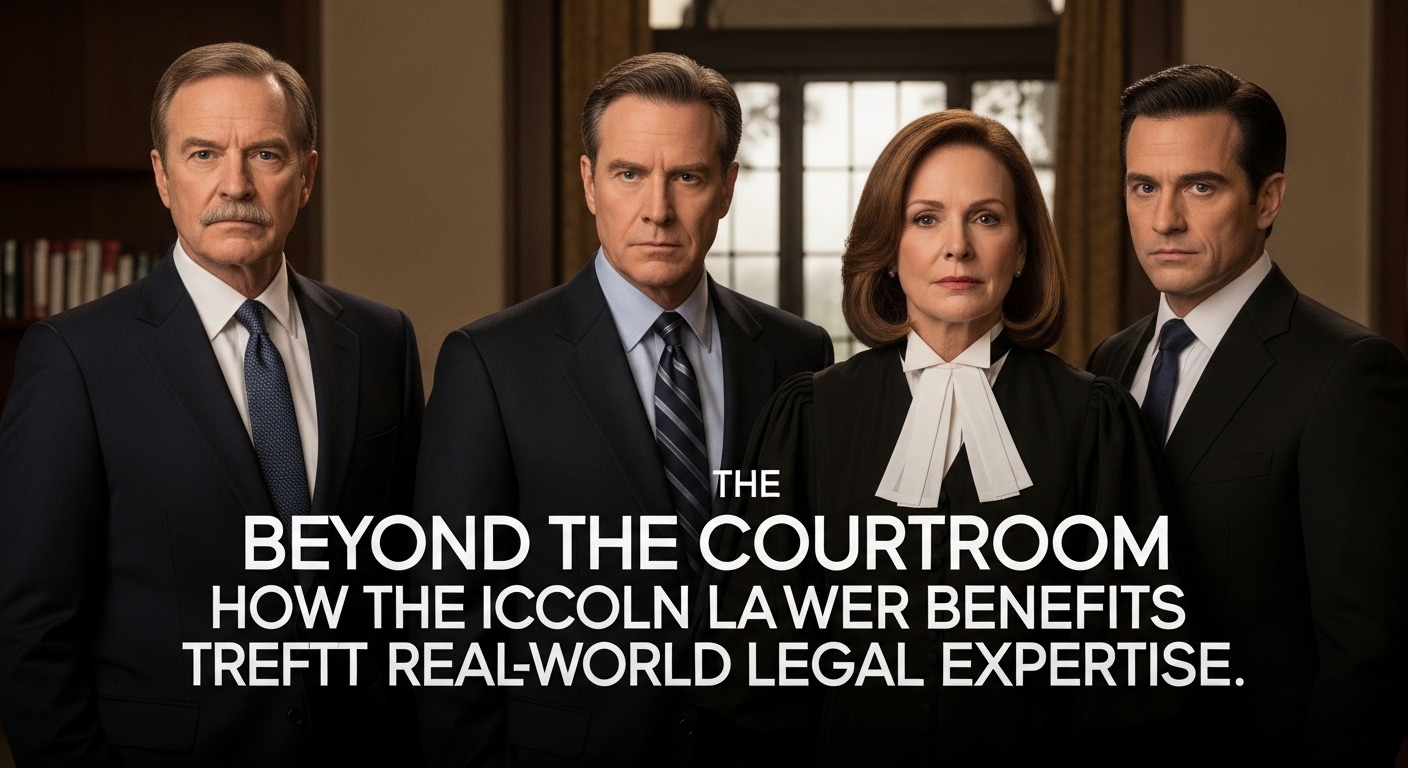
Introduction
When viewers watch the cast of the Lincoln Lawyer TV series argue motions and examine witnesses, they are witnessing a portrayal of criminal defense that is notably more grounded in reality than most legal dramas. This is not an accident. The series, which follows Mickey Haller (Manuel Garcia-Rulfo) as he operates his practice from the back seat of a Lincoln Navigator, has distinguished itself in a genre often criticized for sacrificing procedure for spectacle.
For legal professionals and the public alike, the depiction of law in popular media shapes expectations of the justice system. While Hollywood often relies on the “Perry Mason moment”—a surprise witness or dramatic confession that wins the case—The Lincoln Lawyer has been praised for its commitment to procedural accuracy. This article examines the legal framework behind the series, the expertise that informs its storytelling, and what viewers should understand about the difference between courtroom drama and courtroom reality.
Background & Legal Context: The Foundation of Authenticity
To understand why the cast of the Lincoln Lawyer TV series operates within a more believable legal environment, one must look at the credentials of the creative team behind the camera. The series was developed by David E. Kelley and Ted Humphrey. Kelley, a Harvard Law School graduate who practiced law in Boston, has a long history of blending legal realism with entertainment in shows like The Practice and L.A. Law. Humphrey, the showrunner, brought his own experience as a former practicing attorney to the writers’ room.
This legal foundation is supplemented by the source material. Author Michael Connelly, who created Mickey Haller, worked as a crime journalist for the Los Angeles Times, covering real courthouses and police beats. His exposure to the criminal justice system provided a factual backbone for the novels, which the television adaptation has largely preserved.
The result is a series that treats the law not just as a backdrop for personal conflict, but as a system of rules that must be navigated. As Humphrey explained to the American Bar Association, writers can build genuine drama around procedural elements, such as the requirement in some jurisdictions that a defendant arrested without a warrant must be brought before a judge within 48 hours. For the audience, this means the tension derives from how the characters work within legal constraints, not from ignoring them.
Key Legal Issues Explained: The Rules of Evidence and the “No Surprises” Principle
Despite its overall accuracy, the series has occasionally fallen into a common trap of legal storytelling: the “surprise evidence” trope. In many legal dramas, a lawyer saves the day by introducing a unexpected witness or a piece of evidence that flips the case. In real American courtrooms, governed by the Federal Rules of Evidence, this is not only rare—it is typically impermissible.
The Reality of Discovery
Under the Federal Rules of Criminal Procedure, the prosecution and defense are required to engage in “discovery”—a pretrial exchange of evidence. Both sides must provide access to documents, witness lists, and expert testimony well before the trial begins. The purpose of this rule is to prevent “trial by ambush” and to ensure that the outcome of a case is determined by the weight of the evidence, not by tactical surprise.
As legal analysts have noted, The Lincoln Lawyer has, in past seasons, leaned into this dramatic device. A character might introduce a critical piece of evidence mid-trial that catches opposing counsel off guard. While effective for television, this practice would, in reality, likely result in sanctions, a mistrial, or even professional discipline for the attorney.
Why Season 4 Must Address This
The upcoming fourth season, which will adapt Connelly’s novel The Law of Innocence, places the rules of evidence at the center of its plot. In the book, Mickey Haller becomes the defendant, and his prosecutor is Dana “Death Row Dana” Berg, a character whose aggressive tactics and disregard for evidentiary rules become a major point of contention.
For the series to remain credible, it will need to reconcile its past inaccuracies with a storyline that explicitly hinges on the proper (and improper) handling of evidence. This presents an opportunity for the cast of the Lincoln Lawyer TV series to showcase the tension that arises not from shocking reveals, but from the procedural battles over what the jury is allowed to see and hear.
Latest Developments: The Cast and the Upcoming Legal Conflict
The legal stakes for the characters are rising. As of the latest seasons, the core cast remains intact, with Manuel Garcia-Rulfo leading as Haller, Becki Newton as his sharp legal assistant Lorna Crane, Jazz Raycole as driver Izzy Letts, and Angus Sampson as investigator Cisco. Neve Campbell reprises her role as Maggie McPherson, Haller’s ex-wife and a prosecutor, which creates inherent conflict as the personal and professional lives of the cast of the Lincoln Lawyer TV series continue to intersect.
With Season 4 expected to adapt The Law of Innocence, the dynamic will shift dramatically. Haller, the defender, will become the accused. This inversion is a powerful narrative device, but it also places a burden on the writers to accurately depict the rights of a criminal defendant. Key legal concepts that will likely be explored include:
- Presumption of Innocence: The prosecution must prove guilt beyond a reasonable doubt, even when the defendant is a defense attorney.
- Right to Counsel: Haller’s unique position as a lawyer representing himself (or choosing someone to represent him) raises complex ethical questions.
- Bail and Pretrial Detention: The circumstances under which a defendant is held before trial, and the factors a court considers regarding flight risk or danger to the community.
Who Is Affected & Potential Impact
The portrayal of law in The Lincoln Lawyer has a tangible impact on public perception. Research discussed in legal journals indicates that when visual media constructs a particular image of justice—one that is swift, morally clear, and emotionally satisfying—it can create unrealistic expectations when viewers encounter the real system.
- For Jurors: Individuals called for jury duty may expect dramatic presentations, objections that lead to shouting matches, or “gotcha” moments. When real trials involve meticulous document review, slow testimony, and judges enforcing strict decorum, jurors may become frustrated or disengaged.
- For Litigants: People involved in lawsuits, whether criminal defendants or civil parties, might distrust their attorneys if they do not employ the theatrical tactics seen on screen.
- For the Legal Profession: As noted by law firms and bar associations, the gap between perception and reality can erode trust. When the public sees a show like Suits, where objections are ignored and judges allow monologues, they may wonder why real judges are so “strict” about procedure.
The Lincoln Lawyer, because it is more accurate than most, has an opportunity to bridge this gap. By showing the methodical nature of legal work—the preparation, the hearings on motions in limine (motions to exclude evidence), and the judge’s role as an arbiter of law, not just a referee—it can educate viewers while entertaining them.
What This Means Going Forward
For the cast of the Lincoln Lawyer TV series, the path forward requires a delicate balance. The show must retain the pacing and tension that audiences expect from a streaming drama. However, the source material for Season 4 demands a higher degree of fidelity to the rules of evidence.
Legal observers will be watching to see how the show handles the concept of discovery violations. If a prosecutor like Dana Berg withholds evidence, the legal remedy is severe: it could lead to dismissal of charges or a new trial. Depicting this correctly would not only serve the story but would reinforce the show’s reputation for authenticity.
Furthermore, the series may continue to benefit from the legal expertise in its production team. Having a showrunner who is a former lawyer, and writers who understand criminal procedure, ensures that the scripted arguments are based on real statutes and case law. As Humphrey noted, using real procedural deadlines (like the 48-hour rule) creates organic tension that fabricated obstacles cannot match.
Frequently Asked Questions
How accurate is The Lincoln Lawyer compared to real courtrooms?
The series is considered one of the more accurate legal dramas on television, largely due to the background of its creators and source material. It correctly depicts concepts like hearsay, the judge’s role in admitting evidence, and the adversarial relationship between defense and prosecution. However, like all dramas, it compresses timelines and occasionally uses “surprise” evidence for dramatic effect, which is not permitted in real trials due to discovery rules.
Who are the main members of the cast of the Lincoln Lawyer TV series?
The principal cast includes Manuel Garcia-Rulfo as Mickey Haller, Becki Newton as Lorna Crane, Jazz Raycole as Izzy Letts, and Angus Sampson as Cisco. Neve Campbell stars as Maggie McPherson, and Yaya DaCosta plays prosecutor Andrea Freemann.
Did the show’s creators have legal experience?
Yes. Showrunner Ted Humphrey is a former practicing attorney, and developer David E. Kelley is a Harvard Law graduate who practiced law in Boston. Author Michael Connelly was a crime journalist, which grounds the stories in real investigative and legal procedures.
What is the “surprise evidence” problem in legal dramas?
In many TV shows, a lawyer wins a case by introducing a surprise witness or new evidence in the middle of trial. In reality, the Federal Rules of Evidence require that all evidence be shared with the other side before trial (a process called discovery). Introducing surprise evidence would likely lead to it being excluded or result in a mistrial.
What legal issues will Season 4 of The Lincoln Lawyer cover?
Season 4 is expected to adapt The Law of Innocence, in which Mickey Haller becomes the defendant in a murder case. This will explore the rights of the accused, the presumption of innocence, and the ethical rules surrounding prosecutorial conduct, specifically regarding the handling of evidence.
Does watching legal dramas help people understand real laws?
While legal dramas can introduce viewers to legal concepts and terminology, they often simplify procedures and speed up timelines for entertainment. They are a good starting point for interest in the law but should not be relied upon for understanding actual legal rights or obligations. Consulting a licensed attorney is essential for real legal matters.
Conclusion
The cast of the Lincoln Lawyer TV series brings to life a world where the law is both a shield and a weapon. Unlike the fantastical portrayals seen in some media, this series attempts to ground its storytelling in the actual rules that govern American courtrooms. By leveraging the expertise of former lawyers and crime journalists in its production, it offers viewers a glimpse into the methodical, strategic, and often tense reality of criminal defense work.
As the series moves into Season 4, the intersection of drama and procedure will become even more critical. The storyline demands a focus on the rules of evidence—rules that the show has occasionally bent in the past. For the audience, this upcoming season is not just entertainment; it is an opportunity to see why, in the real world, the process is the only thing standing between the state and the individual.
You May Also Like: Defense Strategies After the FirstEnergy Attorney-Client Privilege Ruling: A Legal Guide