
 By Prime Law Hub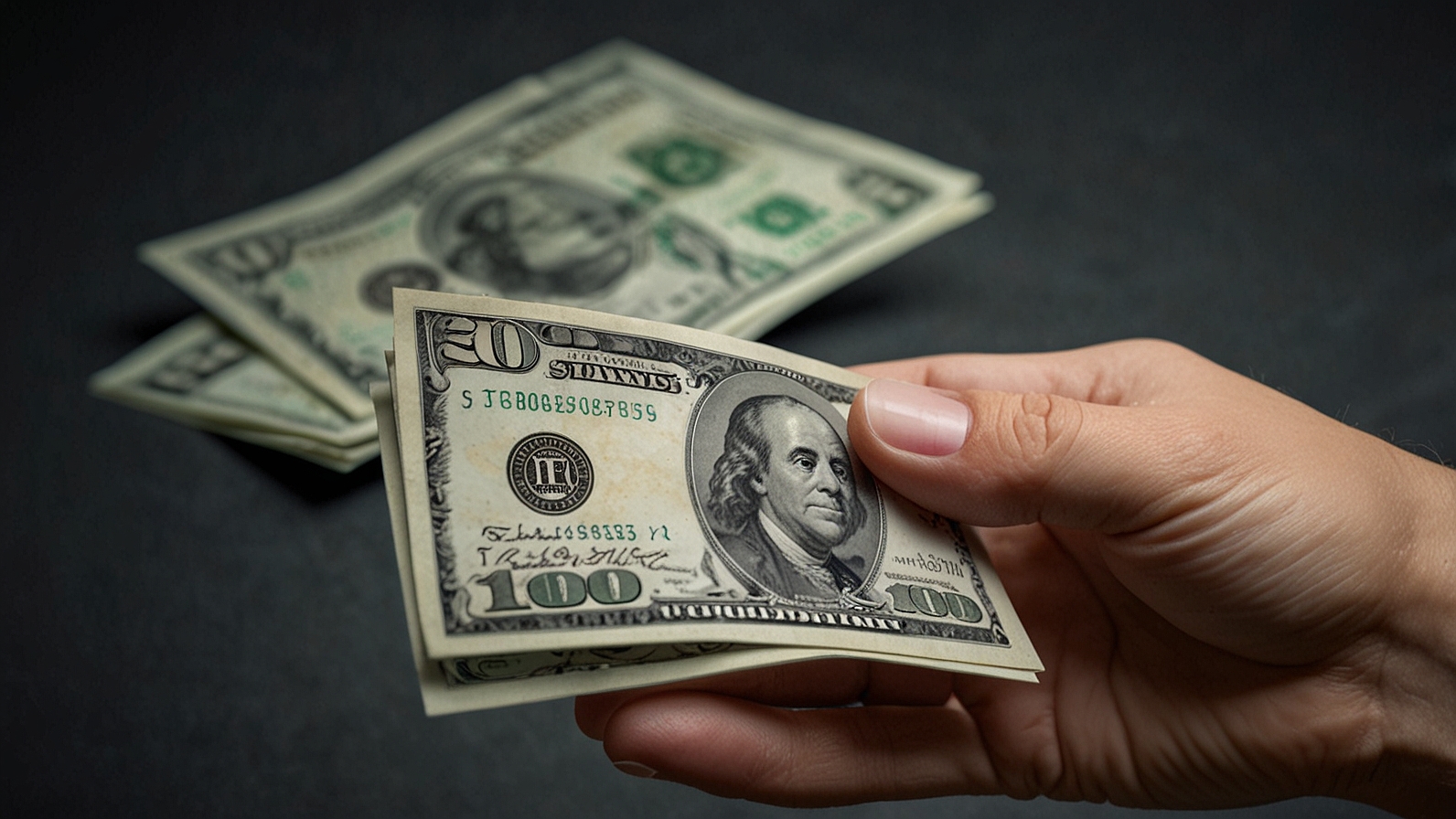
The bottoms text settlement payment provides compensation to eligible Washington residents who received unsolicited commercial text messages through Cash App’s “Invite Friends” referral program. This distribution stems from a class action lawsuit filed against Block, Inc., the parent company of Cash App. The case alleged violations of Washington state consumer protection laws.
As of April 2026, approved claimants are receiving payments of $394.36 each following final court approval in December 2025. The settlement resolves claims without any admission of wrongdoing by Block. This article explains the bottoms text settlement payment, the underlying legal issues, who qualifies, and what recipients should know moving forward.
Background and Legal Context
The lawsuit, known as Bottoms v. Block, Inc., Case No. 2:23-cv-01969-MJP, was filed in November 2023 in the U.S. District Court for the Western District of Washington. Plaintiff Kimberly Bottoms, a Washington resident, claimed that Block substantially assisted its users in sending unsolicited commercial text messages to promote Cash App.
Cash App’s “Invite Friends” feature allowed users to send referral texts offering a $5 bonus to new users. According to the complaint, many recipients in Washington received these messages without providing clear and affirmative consent in advance. The suit asserted that this practice violated Washington’s Commercial Electronic Mail Act (CEMA) and the Washington Consumer Protection Act (CPA).
CEMA regulates unsolicited commercial electronic communications, including text messages sent to Washington residents. It prohibits initiating or assisting in the transmission of such messages without prior consent. The CPA provides additional remedies for unfair or deceptive business practices. Under CEMA, a recipient may be entitled to statutory damages of $500 per violating text message or actual damages. These amounts can potentially be trebled under the CPA in certain circumstances.
The case followed standard class action procedures. It began with a complaint in state court before removal to federal court. The parties engaged in discovery and negotiations, leading to a proposed settlement agreement in June 2025. U.S. District Judge Marsha J. Pechman granted preliminary approval in July 2025 and final approval on December 2, 2025.
Key Legal Issues Explained
At its core, the bottoms text settlement payment addresses alleged violations of consumer consent requirements for commercial text messaging. CEMA requires explicit prior consent for commercial electronic mail sent to Washington numbers. “Commercial” here refers to messages promoting goods or services, such as the Cash App referral incentive.
Block did not send the texts itself. Instead, the lawsuit focused on whether the company provided the platform, tools, and incentives that enabled users to send them. Courts evaluate “substantial assistance” under statutes like CEMA by examining whether the defendant knowingly facilitated the conduct.
The CPA claim treated the alleged facilitation as an unfair or deceptive act affecting the public interest. Class actions like this one allow a representative plaintiff to pursue claims on behalf of similarly situated individuals, promoting judicial efficiency and access to remedies for widespread but individually small harms.
The settlement fund totals $12.5 million. After deducting court-approved attorneys’ fees, litigation expenses, administrative costs, and any service award to the class representative, the net amount is distributed pro rata to approved claimants.
Latest Developments or Case Status
The court granted final approval of the class action settlement on December 2, 2025. The claims period closed on October 27, 2025. Distribution of the bottoms text settlement payment began in early February 2026.
As of the April 1, 2026 distribution status update posted on the official settlement website, all failed digital payments and returned mail checks have been reprocessed and reissued as paper checks. Reissue requests received by March 18, 2026, have also been mailed. Most checks are expected to arrive by Wednesday, April 8, 2026.
Claimants who have not received their payment by that date should contact the settlement administrator at info@BottomsTextSettlement.com or 1-877-540-7545 to inquire about the status of their specific check.
Who Is Affected and Potential Impact
The settlement class includes all persons who (1) received a Cash App referral program text message between November 14, 2019, and August 7, 2025, (2) were Washington residents at the time of receipt, and (3) did not clearly and affirmatively consent in advance to receive such messages.
An example qualifying message reads: “Hey! I’ve been using Cash App to send money and spend using the Cash Card. Try it using my code and you’ll get $5. [unique code] https://cash.app/app/[code].” These texts do not involve requests or transfers of money.
Eligible individuals who submitted timely, valid claim forms and whose claims were approved receive the $394.36 payment. The actual amount exceeded initial estimates of $88 to $147 per claimant because fewer claims were filed than anticipated.
Businesses and institutions are not part of the class. The impact falls primarily on individual Washington consumers who received the unsolicited referral texts.
What This Means Going Forward
The bottoms text settlement payment underscores the importance of consent in commercial text messaging under Washington law. Companies that operate referral programs must ensure users obtain explicit prior consent from recipients, or risk regulatory scrutiny and private lawsuits.
For class members, the settlement provides a practical remedy without the need for individual litigation. Any residual funds after initial distributions may support a second pro-rata distribution to those who cashed their payments or may go to the Legal Foundation of Washington.
Readers should monitor official communications from the settlement administrator. The case demonstrates how class actions can address widespread consumer issues efficiently through established federal and state court processes.
Frequently Asked Questions
What is the bottoms text settlement payment?
It is the court-approved distribution of funds from the Bottoms v. Block, Inc. class action settlement to eligible Washington residents who received unsolicited Cash App referral texts without prior consent.
Who qualifies for the bottoms text settlement payment?
Washington residents who received a Cash App “Invite Friends” referral text between November 14, 2019, and August 7, 2025, without giving clear and affirmative consent in advance qualify if they submitted a timely, valid claim form that was approved.
How much is the bottoms text settlement payment?
Approved claimants receive $394.36 per accepted claim. This amount reflects the net distribution after deductions from the $12.5 million fund.
What should I do if I have not received my bottoms text settlement payment?
If your check has not arrived by April 8, 2026, contact the administrator at info@BottomsTextSettlement.com or 1-877-540-7545. Provide your claim details for status verification.
Does accepting the payment prevent me from suing Block separately?
Yes. By submitting a valid claim and receiving payment, class members release claims related to the Invite Friends text messages that were or could have been raised in this lawsuit.
Where can I find more information about the bottoms text settlement payment?
Visit the official settlement website at www.bottomstextsettlement.com or contact the administrator using the details above. This is the only authorized source for case information.
Conclusion
The bottoms text settlement payment resolves claims arising from alleged unsolicited commercial text messages facilitated through Cash App’s referral program. It provides direct compensation to qualifying Washington consumers while allowing Block, Inc. to resolve the matter without admitting liability.
This outcome reflects standard class action procedures in federal court and reinforces consumer protections under Washington’s CEMA and CPA. Affected individuals should retain records of their payment and monitor for any further updates from the administrator regarding residual funds.
You May Also Like: Parks and Crump Attorneys: Trusted Legal Guidance for Your Most Important Cases