
 By Prime Law Hub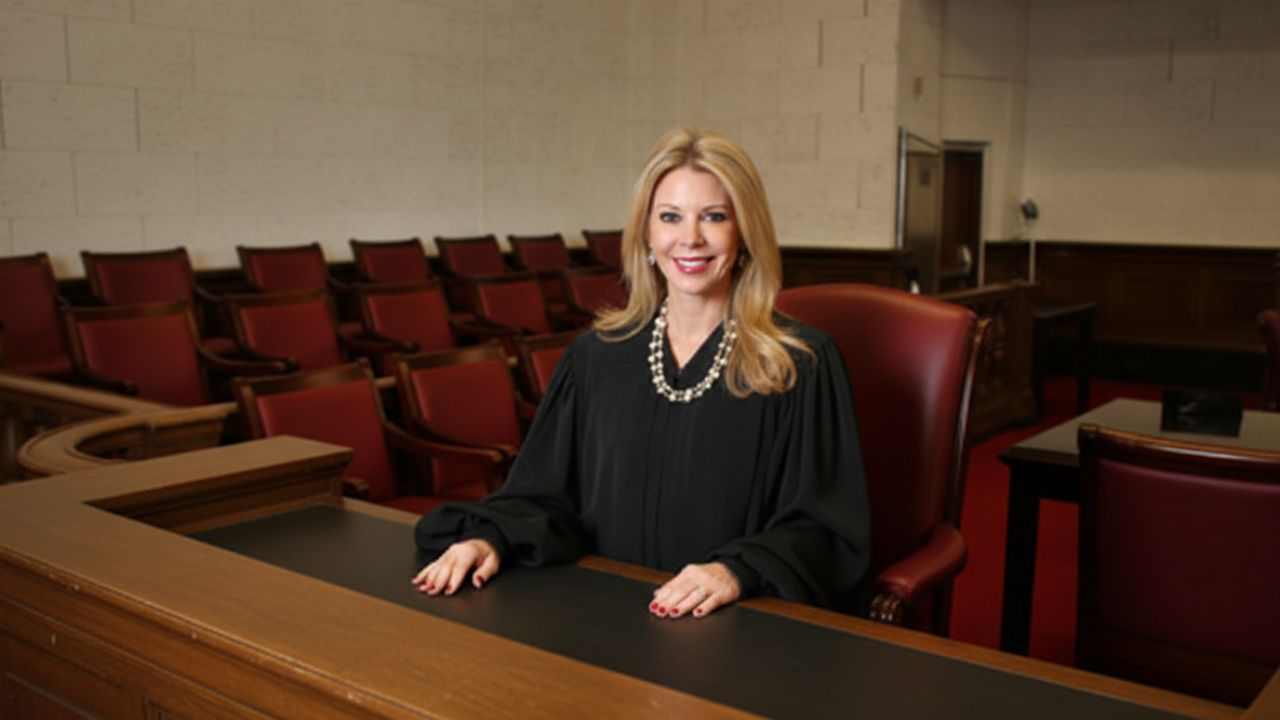
Judge Bronwyn C. Miller, a longstanding figure in Florida’s judicial system, has presided over numerous high-profile cases during her career as a prosecutor and judge. Known for her tough stance on serious crime, her most memorable courtroom contributions include securing a death sentence in a notorious gang-related quadruple murder case and issuing firm sentences in fatal DUI incidents. Recent ethics charges related to her communications during a resentencing proceeding in that same murder case have brought renewed attention to her judicial conduct and the boundaries of impartiality.
These moments underscore the complexities of transitioning from prosecutor to judge, particularly in cases involving public safety, victim rights, and evolving death penalty standards. The ongoing disciplinary proceedings highlight critical issues in judicial ethics while her career reflects dedicated public service spanning nearly three decades.
Background & Legal Context
Judge Bronwyn Miller’s legal career began in the Miami-Dade County State Attorney’s Office, where she served from 1997 to 2005. As a prosecutor, she rose to Division Chief in the Felony Unit and Training Director, earning an AV Preeminent rating from Martindale-Hubbell for ethical standards and legal ability. Her courtroom experience as a prosecutor involved handling complex felony cases, including violent crimes tied to gang activity and drug trafficking in Miami during a period of significant urban violence.
In 2005, Governor Jeb Bush appointed her to the Miami-Dade County Court. Governor Charlie Crist elevated her to the Eleventh Judicial Circuit Court in 2010, where she handled major criminal and civil matters. In 2018, Governor Rick Scott appointed her to the Third District Court of Appeal, where she has served since 2019. Throughout her tenure, Judge Miller has earned numerous accolades, including the Alan R. Schwartz Professional Excellence Award, the Florida Association of Women Lawyers Mattie Belle Davis Award, and recognition from the Florida Senate for her grand jury work.
Her judicial philosophy, shaped by her prosecutorial background, has often emphasized accountability in serious crimes, aligning with established Florida sentencing guidelines and precedent on victim impact and public safety considerations.
Key Legal Issues Explained
One of Judge Bronwyn Miller’s most memorable prosecutorial achievements came in the early 2000s with the case against Corey Smith, reputed leader of the “John Doe” gang in Miami’s Liberty City neighborhood. Smith was convicted of four murders committed in the 1990s amid gang wars and drug turf disputes. In the 2004 trial, then-prosecutor Miller secured first-degree murder convictions and a death sentence, a outcome that reflected Florida’s then-prevailing capital punishment framework under statutes like Fla. Stat. § 921.141.
The case exemplified the challenges of prosecuting gang-related violence, involving witness intimidation risks and the use of incentives (such as food or cigars) to facilitate testimony—a practice later scrutinized in post-conviction proceedings.
Another notable moment occurred in 2013, during her time on the circuit bench, when Judge Miller sentenced Carlos Bertonatti to 12 years in prison for a DUI hit-and-run that killed a cyclist on the Rickenbacker Causeway. The sentence, delivered amid emotional victim impact statements, highlighted judicial discretion in vehicular homicide cases under Florida’s sentencing guidelines, balancing aggravating factors like impairment and fleeing the scene.
These rulings illustrate core legal principles: the role of judicial discretion in sentencing, the weight of victim rights under Marsy’s Law and related statutes, and the State’s interest in deterring dangerous conduct.
Latest Developments or Case Status
In recent years, the Corey Smith case resurfaced due to U.S. Supreme Court decisions like Hurst v. Florida (2016), which required jury unanimity in death penalty sentencing, prompting resentencing hearings. Judge Miller was called as a witness in 2024 to address a memo she wrote during the original trial regarding witness preparations.
Following her testimony, Judge Miller engaged in extensive text message communications with Miami-Dade State Attorney Katherine Fernandez Rundle, her former boss. The messages included suggestions to disqualify the presiding circuit judge, Andrea Ricker Wolfson, criticism of defense attorneys and prosecutors, and commentary on case strategy. Examples included urging reconsideration of rulings upon disqualification and expressing frustration over perceived leniency.
In November 2024, the Miami Herald published the texts, leading Judge Miller to self-report to the Florida Judicial Qualifications Commission (JQC). In October 2025, the JQC’s investigative panel found probable cause for violations of judicial canons, including those requiring impartiality (Canon 1 and 2), prohibiting conduct that undermines integrity (Canon 3), and avoiding the appearance of coercion.
Formal charges alleged the communications “cast reasonable doubt on [her] capacity to act impartially,” “demean[ed] the judicial office,” and “appear[ed] to be coercive.” In November 2025, Judge Miller filed a 69-page motion to dismiss, arguing the texts were protected First Amendment speech on matters of public concern, lacked nexus to her appellate duties, and involved efforts to ensure accurate proceedings rather than improper influence.
As of early 2026, the matter remains pending before the Florida Supreme Court, which will determine any sanctions following JQC proceedings.
Who Is Affected & Potential Impact
The developments have direct implications for multiple stakeholders:
- Corey Smith and Victims’ Families: The resentencing ultimately resulted in prosecutors waiving the death penalty, leading to a February 2025 plea deal for 30 years. Victims’ families expressed concerns over reduced accountability for the murders.
- Judicial System Participants: Defense attorneys and some prosecutors faced scrutiny, with two removed for alleged misconduct (e.g., witness coaching). The case contributed to broader discussions on prosecutorial ethics under rules like Florida Bar Rule 4-3.5.
- Public and Legal Community: The inquiry affects trust in appellate judges, particularly former prosecutors handling recusal or testimony in old cases. Potential outcomes range from dismissal of charges to reprimand, suspension, or removal—impacting Judge Miller’s career and precedent on off-bench communications.
| Stakeholder | Primary Impact | Broader Implications |
|---|---|---|
| Corey Smith | Reduced sentence from death to 30 years | Highlights post-conviction relief under evolving capital standards |
| Victims’ Families | Perceived leniency in high-profile murders | Reinforces debates on finality in capital cases |
| Judge Miller | Ongoing ethics proceedings | Potential sanctions affecting appellate tenure |
| Miami-Dade SAO | Scrutiny of handling and internal changes | Ethical training and recusal protocols |
| Florida Judiciary | Precedent on judicial speech | Clarification of Canon boundaries vs. First Amendment |
What This Means Going Forward
The case against Judge Bronwyn Miller underscores enduring tensions in judicial ethics: maintaining independence while allowing protected speech, especially for judges with prior prosecutorial roles in long-dormant cases. A ruling upholding charges could strengthen recusal requirements and limits on ex parte-like communications, even informal ones. Dismissal, conversely, may affirm broader speech protections for judges on public safety issues.
Professionals should monitor Florida Supreme Court dockets for hearings or decisions. The outcome may influence judicial education programs and rules revisions by the Florida Bar or appellate performance commissions, of which Judge Miller has been a member.
Readers involved in similar matters are reminded to consult qualified counsel for case-specific guidance.
Frequently Asked Questions
Who is Judge Bronwyn Miller?
Judge Bronwyn C. Miller is a Florida Third District Court of Appeal judge since 2019, with prior service on circuit and county benches. She is a former Miami-Dade prosecutor known for handling felony cases and earning multiple professional awards.
What was Judge Miller’s role in the Corey Smith case?
As a prosecutor in 2004, she led the trial resulting in Smith’s convictions for four murders and a death sentence. She later testified in his 2024-2025 resentencing proceedings.
What do the ethics charges allege?
The JQC alleges her text messages to State Attorney Katherine Fernandez Rundle undermined impartiality, created an appearance of coercion, and demeaned the judicial office by attempting to influence resentencing strategy.
What examples of texts were cited?
Messages included suggestions to disqualify the trial judge (“I think you should disqualify her. Then all rulings can be reconsidered”) and criticism of case handling perceived as lenient.
What are possible outcomes of the JQC proceedings?
The Florida Supreme Court may impose a public reprimand, fine, suspension, or removal if charges are sustained; dismissal is also possible if her motion succeeds.
Has Judge Miller responded to the charges?
Yes, through counsel, she argues the communications were protected speech aimed at accuracy and public safety, not improper influence.
Conclusion
Judge Bronwyn Miller’s career exemplifies dedicated service in Florida’s justice system, marked by memorable moments of resolute prosecution and sentencing in serious crimes. The ongoing ethics inquiry into her involvement in a decades-old case serves as a reminder of the high standards required of the judiciary—standards designed to preserve public confidence amid complex human realities. Developments in this matter warrant close attention, as they may shape future interpretations of judicial conduct rules. This overview is for informational purposes only and does not constitute legal advice.
You May Also Like: Top Signs for Attorney Offices in Taylorsville MS: Enhance Your Law Firm’s Visibility