
 By Prime Law Hub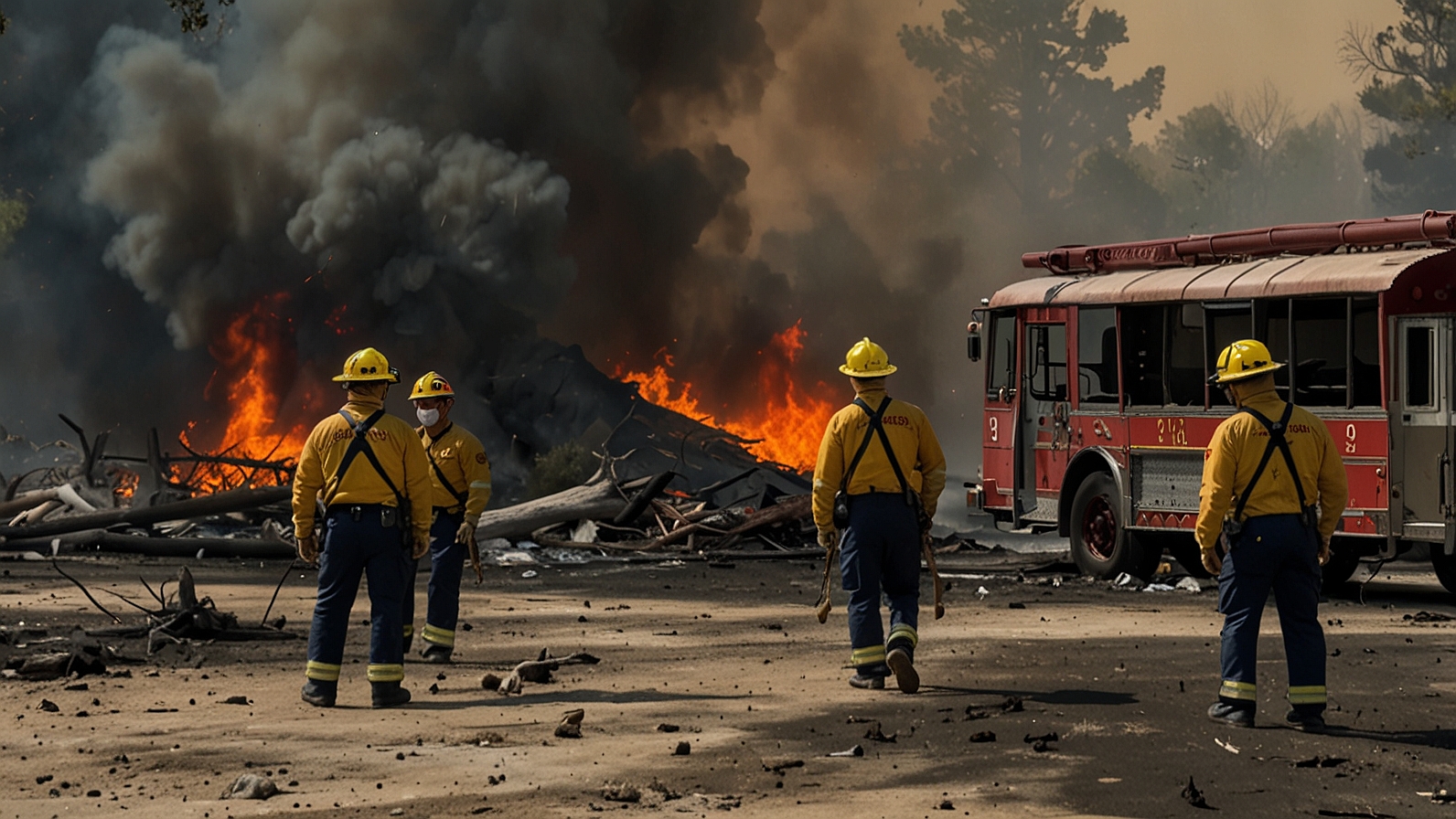
The Palisades Fire, a devastating wildfire that ravaged parts of Los Angeles County in January 2025, has led to significant legal scrutiny, including multiple lawsuits alleging governmental negligence. This event, which resulted in 12 fatalities, the destruction of over 6,800 structures, and billions in damages, highlights ongoing challenges in wildfire management under California law. As recovery efforts continue into 2026, affected residents and businesses are pursuing claims against public entities, emphasizing issues of liability, public safety, and regulatory compliance. This article examines the legal dimensions of the Palisades Fire, providing clarity on its implications for victims, governments, and future policy.
Background & Legal Context
The Palisades Fire ignited on January 7, 2025, in the Santa Monica Mountains near Pacific Palisades, fueled by strong Santa Ana winds and dry conditions. It rapidly expanded to cover approximately 23,448 acres, affecting communities in Pacific Palisades, Topanga, and Malibu. Authorities determined the cause to be arson, linked to a smaller antecedent blaze known as the Lachman Fire, which burned in the same area six days earlier.
From a legal perspective, wildfires in California fall under a framework governed by statutes such as the California Government Code and the California Public Resources Code, which address fire prevention, suppression, and liability. Public entities like cities and state agencies can be held accountable under theories of negligence if they fail to meet duties of care in maintaining infrastructure or responding to hazards. Inverse condemnation, a principle rooted in the California Constitution (Article I, Section 19), allows property owners to seek compensation when government actions or inactions result in property damage without formal eminent domain proceedings. This has been a common recourse in past wildfire cases, such as those involving utilities during the 2018 Camp Fire.
Prior to the Palisades Fire, California had implemented reforms through Assembly Bill 1249 (2021) and subsequent legislation, mandating utilities and agencies to enhance wildfire mitigation, including vegetation management and power shutoff protocols during high-risk weather. However, the Palisades Fire exposed alleged gaps in these measures, particularly in urban-wildland interfaces where rapid response is critical.
Key Legal Issues Explained
Several core legal concepts underpin the disputes arising from the Palisades Fire. Negligence claims assert that defendants breached a duty of care, causing foreseeable harm. For instance, plaintiffs allege that the Los Angeles Fire Department (LAFD) prematurely abandoned the Lachman Fire site without fully extinguishing embers, allowing winds to reignite the blaze. Under California Civil Code Section 1714, public employees must exercise reasonable care in fire suppression activities.
Inverse condemnation is another pivotal issue. This doctrine holds that if a public entity’s infrastructure or decisions substantially contribute to property damage, compensation is required as if the property were “taken” for public use. In the Palisades Fire context, lawsuits target the Los Angeles Department of Water and Power (LADWP) for allegedly maintaining empty reservoirs and inoperable hydrants, impairing firefighting efforts. Courts have upheld similar claims in precedents like Pacific Gas & Electric Co. v. Superior Court (2017), where utilities were liable for wildfire damages.
Public nuisance claims, based on California Civil Code Section 3479, argue that hazardous conditions—such as unmaintained power lines or inadequate water systems—interfered with public rights to safety. Plaintiffs contend that the City of Los Angeles and the State of California failed to de-energize power lines despite warnings, exacerbating the fire’s spread.
Additionally, arson-related proceedings involve federal charges under 18 U.S.C. Section 844, with defenses challenging causation based on governmental lapses. These intertwined civil and criminal matters illustrate how overlapping jurisdictions can complicate accountability.
Latest Developments or Case Status
As of March 2026, litigation surrounding the Palisades Fire has advanced significantly. In February 2026, Los Angeles Superior Court Judge Samantha Jessner denied demurrers from the City of Los Angeles and the State of California, allowing over 3,000 victims’ coordinated lawsuits—known as the “Grigsby” cases—to proceed to discovery. This ruling rejected arguments that plaintiffs failed to meet legal thresholds for negligence, inverse condemnation, and public nuisance claims.
Depositions from LAFD firefighters have revealed concerns about incomplete mop-up operations at the Lachman Fire site, with one veteran testifying that warnings about hot spots were dismissed. These disclosures have bolstered plaintiffs’ cases, though the city has sought protective orders to limit public release of testimony.
On the criminal front, the defense for Jonathan Rinderknecht, indicted for arson in the Lachman Fire, argues for dismissal, citing LAFD’s alleged abandonment of the site. Federal proceedings are ongoing in the U.S. District Court for the Central District of California.
Governor Gavin Newsom issued executive orders in January 2026, extending protections like suspending property tax penalties until April 2026 and waiving certain environmental review requirements under the California Environmental Quality Act (CEQA) to expedite rebuilding. Meanwhile, the LADWP CEO resigned amid scrutiny over infrastructure failures.
Insurance-related disputes are escalating, with experts predicting increased first-party property litigation in 2026 as policyholders challenge claim denials or underpayments.
Who Is Affected & Potential Impact
The Palisades Fire directly impacted thousands of residents, displacing families and destroying homes, businesses, schools, and infrastructure in affluent areas like Pacific Palisades. Victims include seniors, such as a 93-year-old Holocaust survivor, and professionals facing loss of wages and relocation costs. Economic damages exceed $250 billion, encompassing property loss, business interruptions, and environmental cleanup.
Public entities face substantial financial exposure; successful lawsuits could result in tens of billions in payouts, straining budgets amid California’s fiscal challenges. Utilities like LADWP may see rate hikes to cover liabilities, affecting ratepayers statewide.
Broader implications include heightened regulatory oversight. The California Public Utilities Commission (CPUC) may enforce stricter wildfire prevention standards, influencing industries reliant on public infrastructure.
What This Means Going Forward
The Palisades Fire litigation underscores the evolving legal landscape for wildfire accountability in California, potentially setting precedents for inverse condemnation in urban settings. If courts find liability, it could prompt reforms in fire response protocols, such as mandatory post-fire monitoring and infrastructure audits.
Readers should monitor upcoming discovery phases in the Grigsby cases, which may reveal more about governmental decision-making. Appeals, if any, could reach the California Supreme Court, clarifying immunity defenses under Government Code Section 815.
On a policy level, this event may accelerate legislative efforts to bolster wildfire resilience, including funding for water systems and vegetation management. For affected parties, consulting legal professionals is essential to navigate claims deadlines, typically one year for government tort claims under California Government Code Section 911.2.
Frequently Asked Questions
What caused the Palisades Fire?
Authorities attribute the Palisades Fire to arson originating from the Lachman Fire, though disputes exist over whether incomplete extinguishment by LAFD contributed.
Can victims sue the government for Palisades Fire damages?
Yes, under theories like negligence and inverse condemnation. A February 2026 ruling allowed such claims to proceed against the City of Los Angeles and the State of California.
What is inverse condemnation in wildfire cases?
It requires compensation when public actions damage private property, as if taken for public use. Applied here to alleged failures in water supply and fire suppression.
Are there deadlines for filing Palisades Fire claims?
Government claims must generally be filed within six months of the incident, per California Government Code Section 911.2, though extensions may apply.
How does the arson case affect civil lawsuits?
The criminal case against Jonathan Rinderknecht focuses on causation, but civil suits emphasize governmental negligence, which could shift liability regardless of conviction.
What recovery resources are available?
Governor Newsom’s executive orders provide tax relief and rebuilding waivers. County resources include damage maps and permit centers.
Conclusion
The Palisades Fire represents a critical juncture in California’s legal approach to wildfire disasters, balancing public accountability with recovery needs. While lawsuits advance, they highlight the human and economic toll, urging stronger preventive measures. Staying informed through official channels, such as CAL FIRE updates and court filings, is advisable for those impacted. This article is for informational purposes only and does not constitute legal advice; individuals should seek qualified counsel for specific situations.
You May Also Like: Legal Tech News Guide: Practical Tools Every Small Firm Should Know